
We Were Attacked by Fire Ants in the Amazon
Ants, bridges, and the ambitious trek to Macchu Picchu

Signing up to walk the Inca Trail to Machu Picchu, I held an image in my head of a timeless path through an ancient landscape, flanked on all sides by sacred stones and preserved by the apocryphal powers of native Peruvian mysticism. I envisioned something almost processional in its importance — a red carpet for the rugged. An expedition that would fulfill the travelers who craved something more intrepid than a bus ride full of tourists to chariot them up the mountainside.
I hadn’t realized that the notorious trek through the Andes actually consisted of thousands of kilometers of interweaving trails. Nor had I realized that Machu Picchu had become such a wildly sought out destination that even the most feral paths weaving toward it had been divvied up into different, predetermined adventures. This was largely done to accommodate the sheer bulk of travelers who harbored my same desire. Between all of the various treks that conclude at the sky-piercing, Incan city, the annual agglomeration of people who wanted their time on that historic peak to feel earned stretches into the hundreds of thousands.
Were it only the singular trail, it would have likely succumbed to a similar fate as Mount Everest. When the idea of summitting the world’s highest mountain once conjured images of inhuman, earth-shattering accomplishment, in modern days, that prodigious achievement has been diluted by the flood of photos showing a seemingly endless line of adventurers patiently waiting their turn to snap a couple photos or leave their fleeting mark on the flag-festooned peak. But where Everest has been reduced to a pay-exorbitant-sums-in-order-to-play Mecca for thrillseekers and seasoned climbers alike, the partitioning of the Inca Trail has helped to retain the feeling of cultural and natural immersion that it’s intended to offer.
Our guide informed us on night one of our 4-day-trek that very few people actually hike what’s most traditionally considered “The Inca Trail.” But the specific peregrination that we’d signed up for was far from unperilous.
We descended from an icy mountain pass with grazing alpacas and wild horses at our sides into a land of such overbearing humidity that we had to deliberate between whether to strip down and leave ourselves vulnerable to the divebombs of voracious insects, or remain sheathed within our suffocating fabric and endure the throes of our own pooling perspiration. We crossed over bridges with raging rivers flowing beneath them, half of which were scarily bereft of guardrails, and one of which, our guide told us with a slightly unnerving nonchalance, had a sunken bus residing in its roaring depths. The only evidence to corroborate his claim was a misshapen swell poking out from the rushing water.
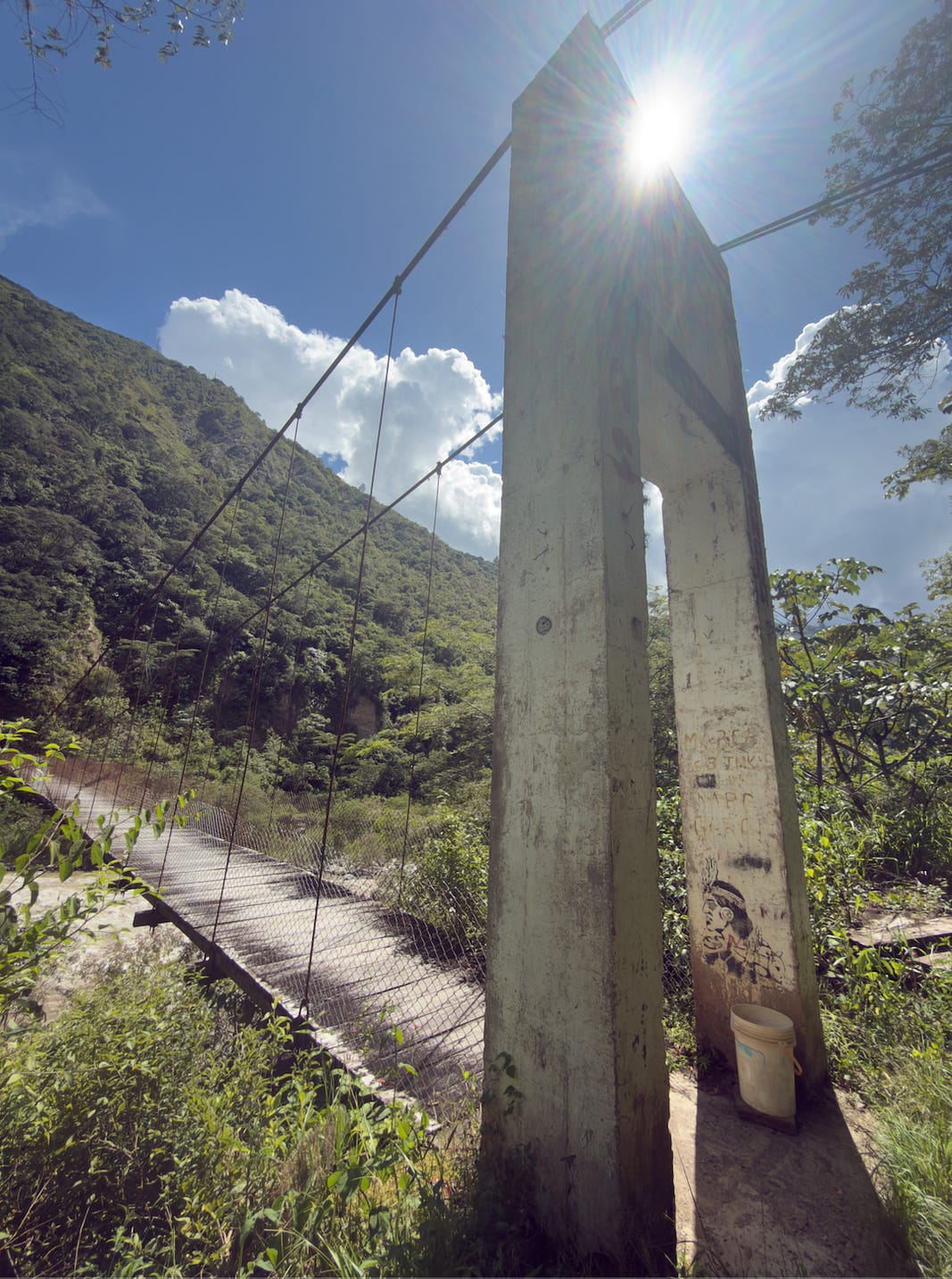
At one point, our guide grabbed a stick from the ground and used it as a makeshift weapon to ward off the poisonous, Amazonian snakes that sporatically littered an overgrown portion of our path.
We fended off plants taller than people as they whipped person after person who made their way past.
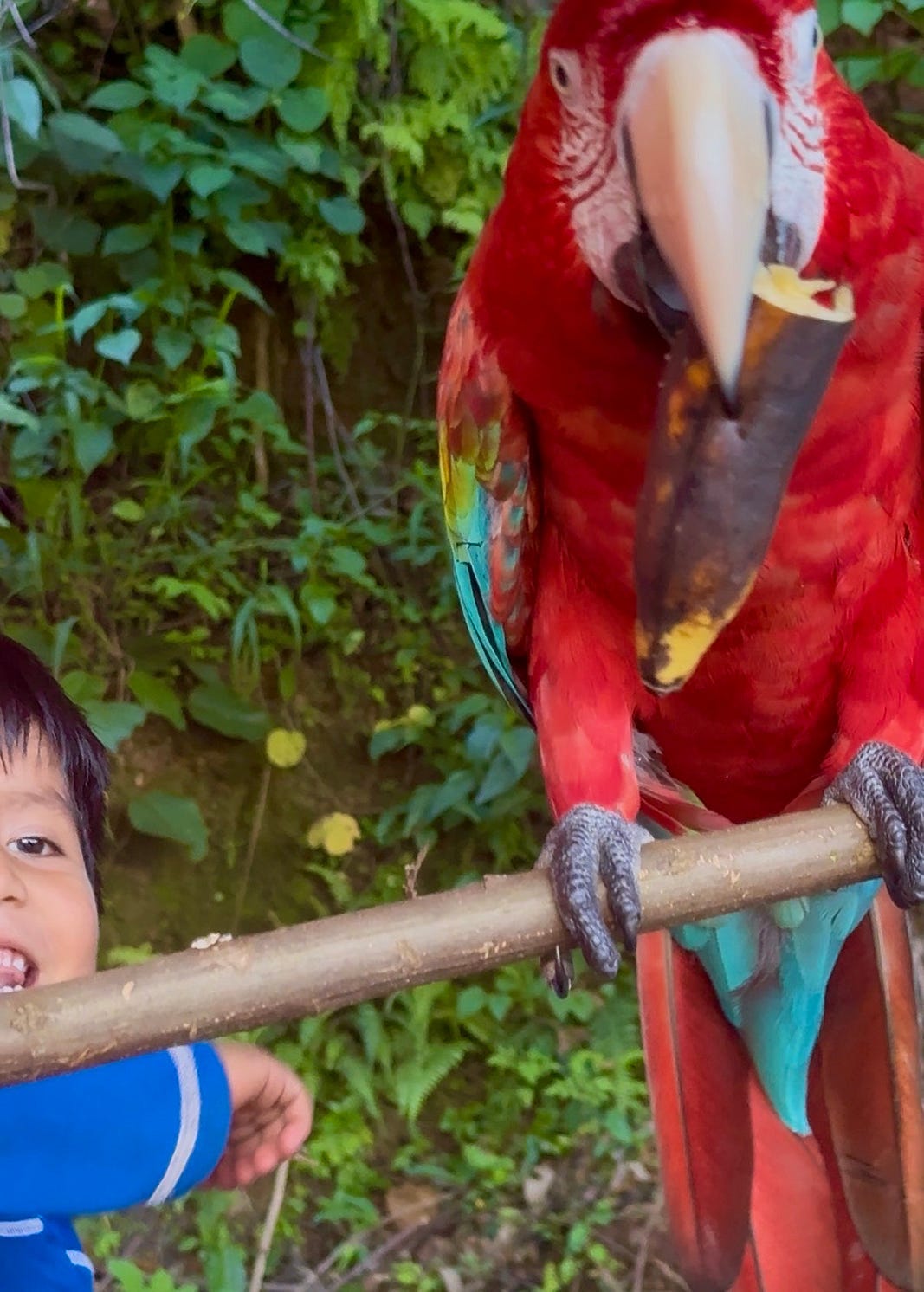
We met a native child who’d cultivated a questionably abusive relationship with a neighboring toucan.
We traversed a river that would have swept me away in seconds, each of us confined to a tiny, wobbling cable car. We hiked through shifting climates — all of which suffered from a suspicious lack of showers for a South American wet season — as the useless rain gear on our backs added weight to our loads and the sweltering sun rendered each of us shiny.
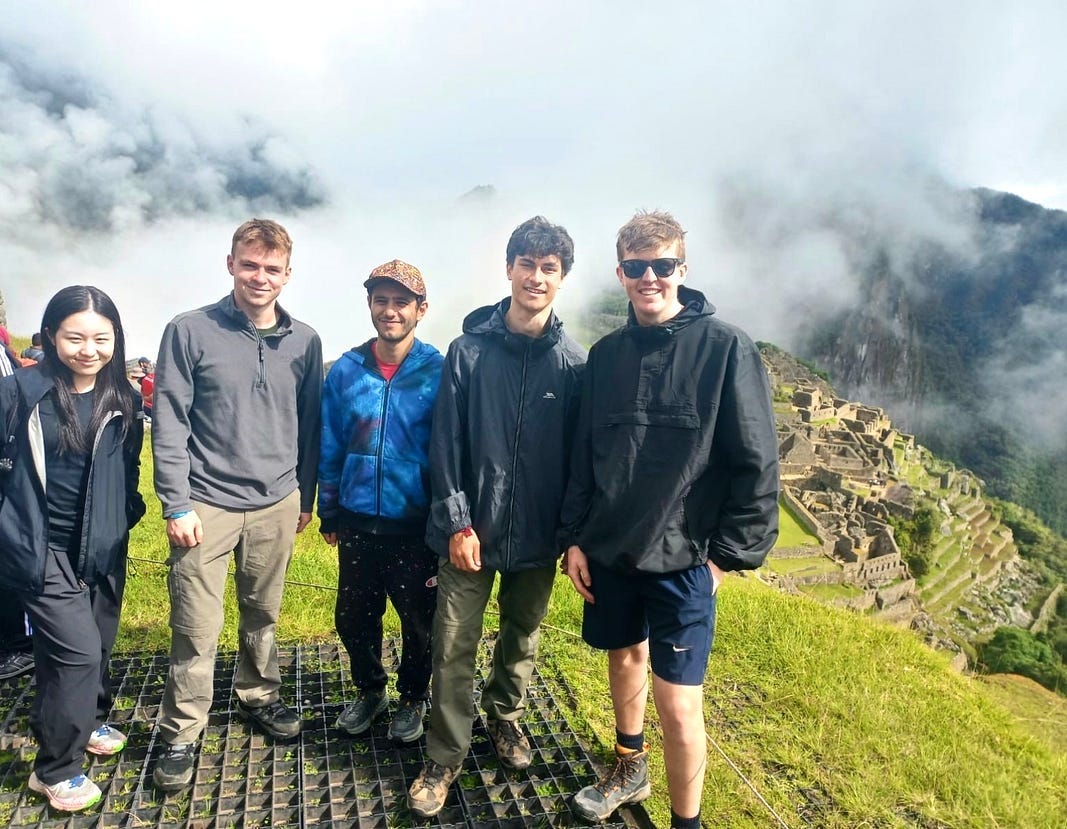
We climbed the precipitous mountain that is Machu Picchu on our final day of expedition, pushing the limits of what I previously thought possible. We faced off against an array of stairs so seemingly endless that their terminus was lost in cloud-shrouded oblivion.
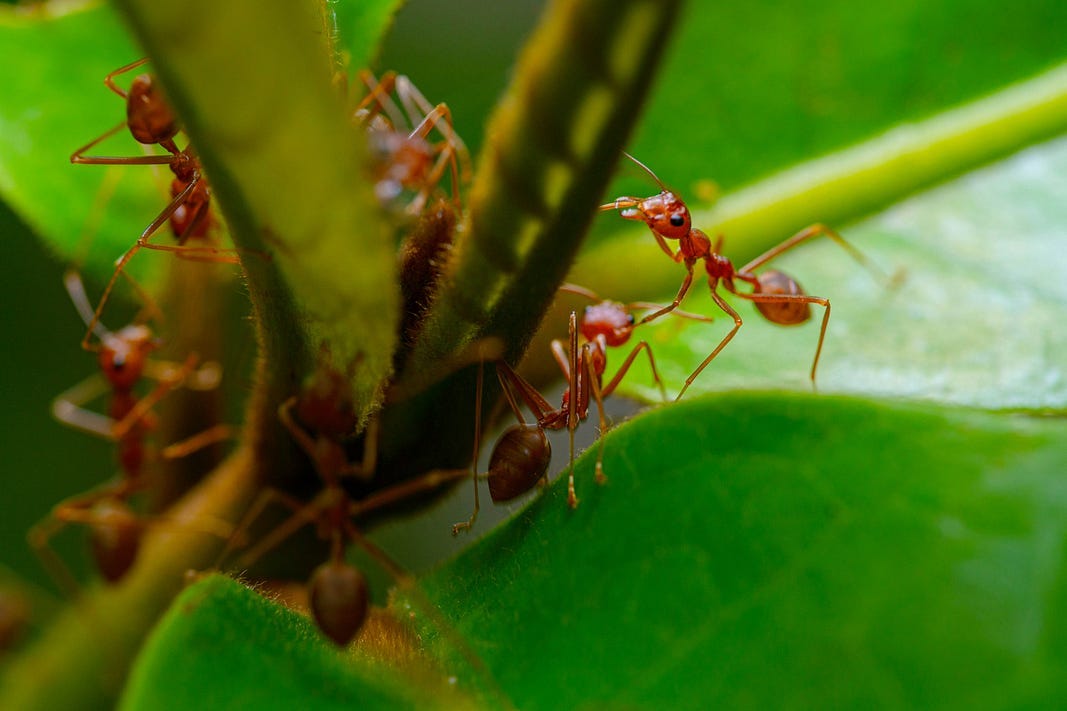
Yet arguably the most dangerous part of our hajj to that hallowed peak of Peru was an army of ants scuttling angrily along the ground, roaming free from whatever cathedral- sized nest they undoubtedly called home. On our left was the thundering current that went by a few names, the most recognizable of which our guide informed us was, “The Amazon River.”
Our experienced jungle navigator tried his best to remove a fallen log from the path in front of us. But it was too hopelessly constricted by vines for the stout and soft-spoken Peruvian to make sufficient headway. Spurned by the pounding sun and hampered by the swelling humidity, he decided that forfeit was his best route forward as he quietly panted and halted his battle against the greenery. A bulbous bead of sweat dripped down his forehead and was promptly followed by a few criss-crossing companions. Behind him, we reveled unquestioningly in the brief intermission as we, too, labored to draw oxygen from the swampy jungle air.
So we shimmied carefully around the roadblock, sure not to lean our bags too far to the left and go tumbling irrevocably down the verdant slope and into the world’s most prolific river — or too far to the right and get pulled into the thick of the forest by whatever tree-maiming creature decided to obstruct our path. But as we continued to wind our way through the far-too-vivid woods, we suddenly became aware of a siege of magma-colored predators feverishly trying to invade our boots.
“Are these… fire ants?” I asked with a crescendoing terror that I tried my best to keep at bay. As I considered the river flowing beside me, and listened to the orchestra of unseen wildlife warbling, chittering, rustling, and chirping at my side, I looked again toward my guide and repeated the question.
He confidently assuaged my concern, stating with a measured diplomacy that we should simply flick them aside. The laser focused looked he gave his pant legs seemed to stand at odds with the self-assured answer. But unwilling to wrestle with the reality that fire ants were actively working their way into my footwear, I had no choice but to plant every fiber of faith I had in his dubious assertion, breathe deep, and, one by one, remove every eight legged assailant that attempted to take residence inside my socks.
With each foot step, there seemed to be ten ants ready to latch onto whatever unsuspecting hiker was unfortunate enough to walk their way. The skittering battalion of red surged over roots, stones, and fallen debris. They teemed, swarmed, and zigzagged across every square inch of trail available to us, and with each step further, more and more creatures crawled spastically across our clothing.
They were on my sweatpants and all along the rubber souls of my shoes. A few had breached the inner lining of my hiking shoes and were ferociously trying to ferret inside my alpaca-woven anklets. I shifted my focus from the winding, river-ravaged pass, ensuring each of the aggressors was properly evicted or dispatched.
Later that night, our guide confirmed with a chuckle that he decided to lie to us about the urgency of our predicament earlier, and that we were, in fact, sauntering through a city of ants so large it likely dwarved the population of Lima. (That last part may be part artistic embellishment, but the fifty fire ants on me alone suggested a per capita rate within that patch of jungle I’m convinced would make most Tokyans wince.)
Whether a few bites from the nefariously crimson crawlers would have sent me and my trailmates tumbling toward watery graves, or merely spurred some short-lived hallucinations, it’s hard to be certain. But my guide’s gamble — his white lie about the urgency of the tiny red invaders — was decidedly well-reasoned.
Believe this piece should earn its author more than $0.00? The only way that writers on this platform are compensated for the time and effort they put into their work are through paid subscriptions and donations. If you enjoyed this memoir, it would mean a lot if you considered offering your support. These travel-related articles are among my favorite to write, and I’d love to publish more of them.
Yikes, what an adventure! We have fire ants here in the Coachella Valley, and they're actually tiny, dark brown and unassuming looking. Until I was able to finally eradicate them by putting little poison pellets into their nest, I was frequently bitten when working in my yard.
What a delicious description of your precarious ascent. Once again, another home run!