
Westeros and the Terrible Majesty of Dragons
‘House of the Dragon’ continues to elicit sympathy toward its fire-breathing subjects

I’m certainly not alone in saying this, but when I think of the most impactful deaths from throughout the world of fiction, it isn’t generally the people that come to mind first. More often, it’s the non-verbal creatures that pull at my heartstrings and linger in my mind. They spur a raw kind of empathy that audiences can’t always feel toward fellow humans.
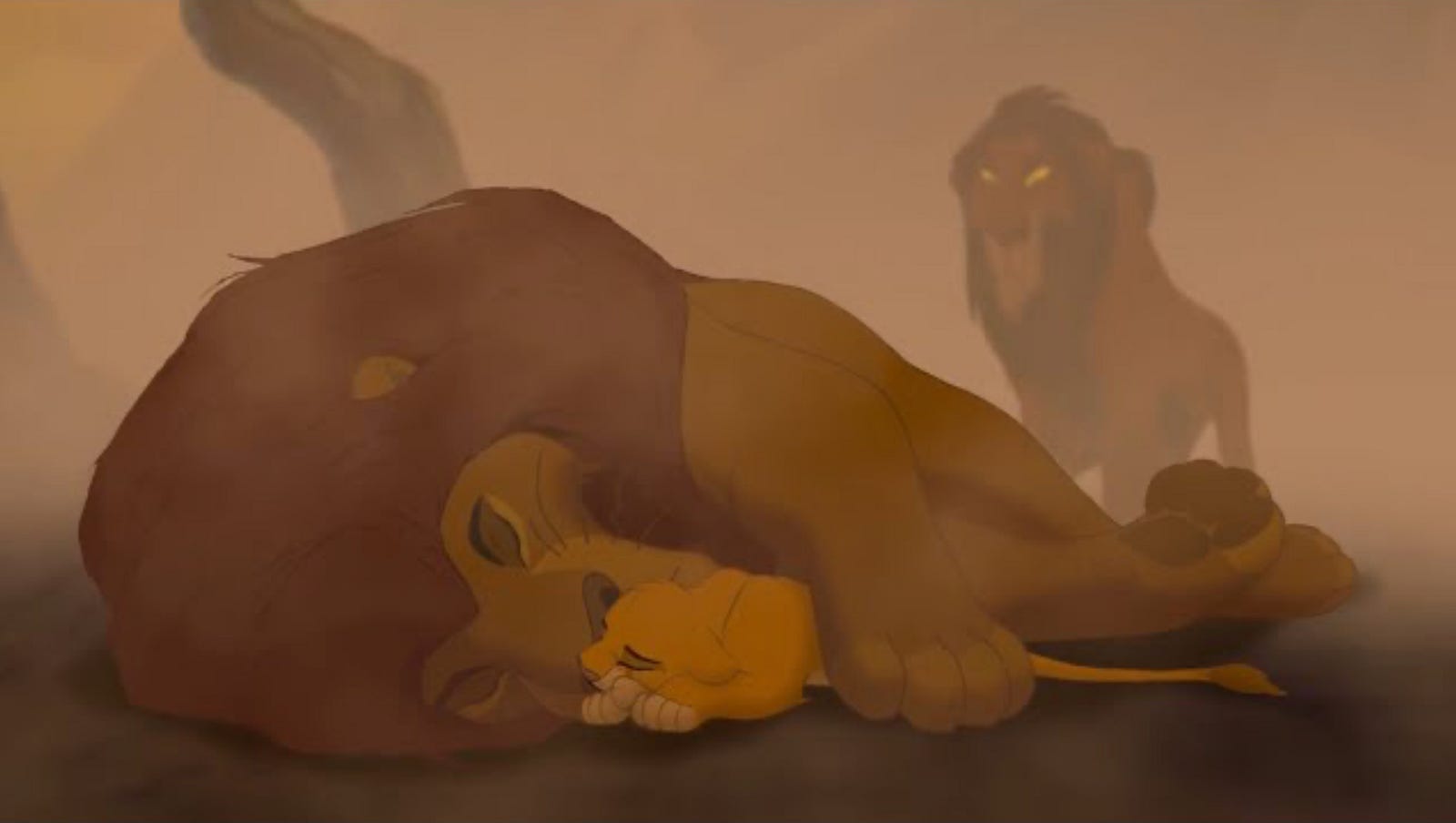
Few 90s and 2000s childhoods went unmarred by the memory of Mufasa’s untimely departure in The Lion King. (I know, I know. It’s still too soon.)
Before I ever even had a pet of my own, I remember being driven to tears when our septuagenarian substitute teacher introduced us to Old Yeller.
Again, during a stormy day at summer camp, nearly a hundred of us filed into a large cabin as one of the counselors wheeled out a box-shaped TV from a creaky wooden closet, positioned it at the center of the room, and tasked us with deciding on a movie to watch. As thunder rolled in the background, rain misted in through tattered screen windows, and the woods descended into darkness, we deliberated between Sandlot, The Goonies, and Air Bud using a show of hands. With enough six and seven-year-olds’ sticky fingers on the scale, our democratic process guided us toward “the dog movie” cradled in the all-powerful teenager’s palm.
The sun was high in the sky, but so little light permeated the trees that the TV’s static lit up the room and transfixed the ordered rows of campers. By the time we reached Air Bud’s most traumatic scene, there was hardly a dry eye in the room. Even counselors stifled tears and tried their hardest to retain composure as shattered kids looked fruitlessly toward them for consolation.
Marley and Me was harder still on my friends and I. But of all the imaginary characters that I’ve grieved, I’m not sure any losses have ever gutted me as completely as those of the dragons of Westeros.
As strange as it is to say now, dragons had initially been one of the reasons that I was closed off to Game of Thrones. To my uninitiated eye, they symbolized everything that I would ultimately discover the show isn’t: juvenile, cartoonish, and unserious.
Never an enormous lover of fantasy, I reasoned that the storied universe that George R.R. Martin had created was simply too riddled with mythical creatures for me to be able to suspend my disbelief. It didn’t dawn on me that HBO could do for dragons what Jurassic Park did for dinosaurs.
One of the aspects of the show I’ve ultimately grown to value most is the sense of realism that it manages to imbue into material I unfairly deemed childish. Dragons, sorcerers, and giants don’t automatically make a story kid-friendly.
As with the grizzled father who falls for the new family puppy, I ultimately grew to love the dragons that had previously repelled me from the world. Watching them hatch from their eggs and become graceful, formidable titans, it’s hard not to feel a vicarious sense of ownership toward them as seasons tick on.
When the dragons begin meeting their dire fates, it drives home a level of agony in viewers that movies, in their limited runtimes, rarely manage to relay. But given a whole decade to grow attached to these living relics, it’s all the more nail-biting when we see them in peril, and it cuts all the more deeply when we see them in pain.
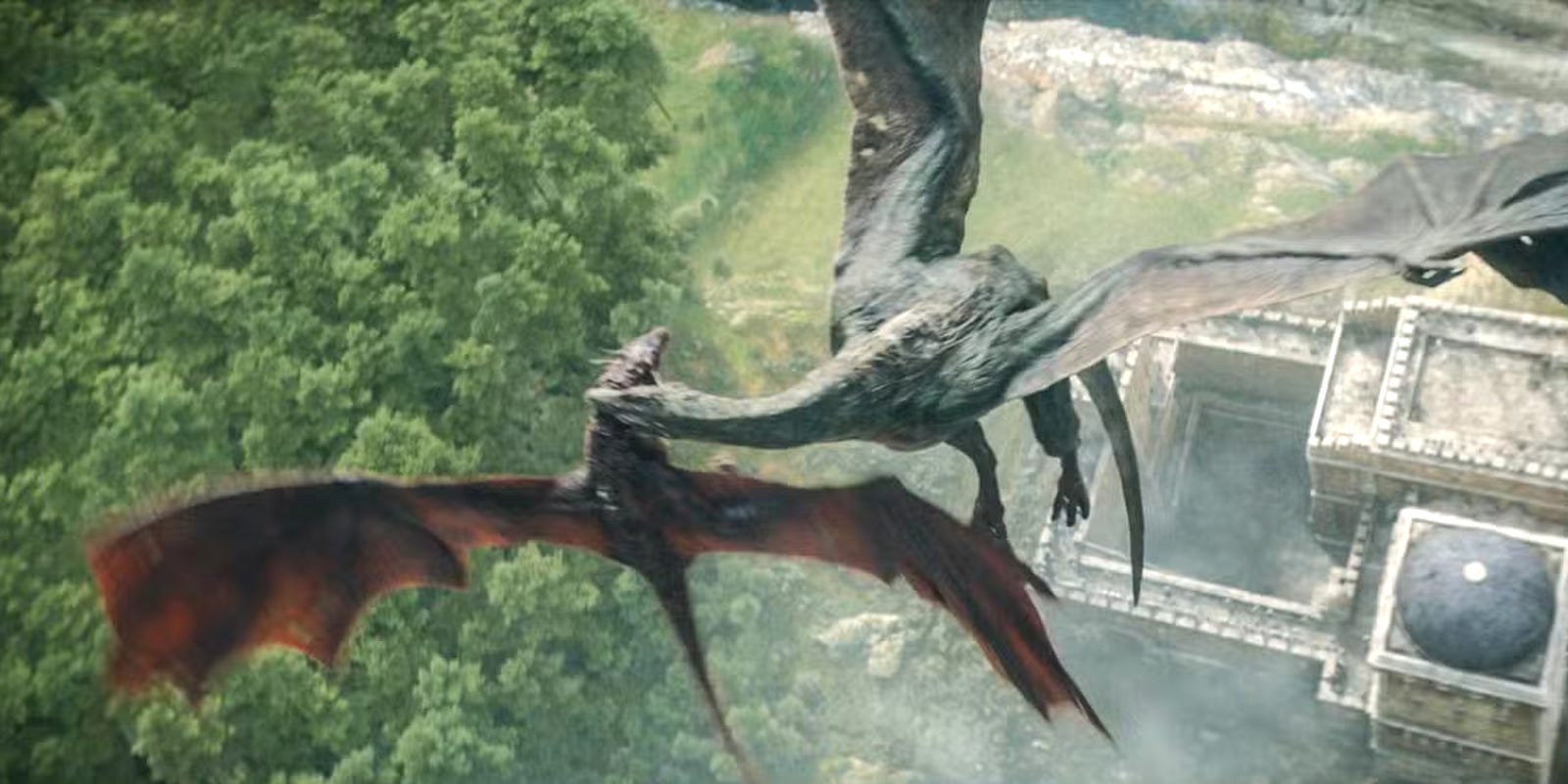
One of Westeros’ most convincing features is that the citizens of the world are every bit as in awe of dragons as audiences. The fire-breathing leviathans are hardly an everyday sight; entire generations live and die viewing them as little more than legend. Their return from extinction is greeted with the terrified reverence that such otherworldly beings should naturally elicit. And the destruction they cause in the towns and cities of Westeros is so well-realized and unsanitized that the story naturally eschews the air of fantasy that typically comes paired with such creatures.
Much of that owes to the massive CGI budget that HBO has funneled into Westeros. Few shows or movies have ever put so much money into bringing fictional monsters to life, so it makes sense that viewers can grow so attached to them — and feel so devastated when they die.
With over $20 million funneled into each episode, House of the Dragon plays into this phenomenon as much as the name suggests. The flying colossi come to life even more than in the show that preceded it, and the advances in technology have only added fuel to their fire. It’s both harrowing to watch and impossible to avert your gaze as civil war breaks loose, and dragons begin warring with one another. The elemental clashes are as horrific as they are mesmerizing.
The monsters feel not only rare to the point of endangerment, but so titanic and majestic that their deaths leave colossal voids.
Even the dragons with limited screentime feel like irreplaceable wonders stripped from the earth when they fall victim to the spoils of war. Because there are more dragons in this prequel show, we’re given less time to familiarize ourselves with the individual members of the species and look from a broader lens at the remarkable aberration such beings represent. It’s a testament to the power of special effects that HBO can infuse these creatures with such a depth of personality that the loss of each individual feels so heart-rending.
The dragons can wipe out entire battalions of ships in minutes, yet are portrayed largely as gentle giants whose only atrocities are in direct compliance with human orders. Their participation in the conflict is no more voluntary than horses’. And their primeval abilities would merely be applied toward hunting prey if they weren’t being used as pawns in a war between royals.
A lot of the tragedy in seeing the dragons enter the war is how blameless they are in the chaos they sow, and how the only means they have to communicate their thoughts and fears is non-verbal. They’re capable of expressing a great array of emotions, but when they know their end is near, there’s no exchange of words to be had with their human masters. The only goodbyes are in the form of labored grunts and knowing glances.
It’s that same barrier that makes losing pets in real life so difficult. When my first dog lay dying, it broke my heart that there were no words I could find to make her understand that the only existence she’d ever known was coming to an end. Yet, in her inability to speak, somehow she imparted even more than words alone could manage.
The dragons in House of the Dragon aren’t given a minute of dialogue, but their presence is so realized that, when they die, they feel like colossal souls snuffed from the world all the same. In their dying groans, they convey a far deeper agony than any cliché combination of final words. They serve as a reminder that, more than the magnates and their power struggles, it’s the dragons that take center stage in this story.
There’s a season 2 line I love that succinctly captures the ground soldiers’ growing acceptance of their smallness:
“The dragons dance and men are like dust under their feet. And all our fine thoughts, all our… endeavors are as nothing.”
Maybe one of the things I value most about House of the Dragon is how effectively it mirrors our present moment. In the masses of people humbled and awed by forces beyond themselves, and in the staggering inequalities that define the world, I can’t help but see a reflection of life today.
I am enamored of all of the GOT, HOD and Knight shows. For the reasons you say. Another reason:
it shows the lack of respect for human life and the consequences for disloyalty to royalty, which is strangely familiar.