

Kevin was a burly German man with a face that was as plain as it was approachable, rounded to dull edges and its lower half shaded by a noncommittal stubble. It was a quarter inch shy of a beard, a week beyond clean-shaven, and hung above a gray button-up shirt that clung to his shoulders in the tropical heat of Puerto Viejo. But with each button undone and a woolly beer belly bulging out from beneath the fabric, a soft wind did wonders in making his classically German, side-parted, and slick black haircut look less severe. The loosened flaps of his shirt were slightly yellowed by sweat along the outer edges and billowed in the breeze with an admirably careless grace.
Kevin was one of those people that, I contended, looked nothing like his name.
His Luxembourgian friend, Felix, who flanked me on my other side as we walked along the beach, boasted pale skin that blistered in the Costa Rican climate no matter how thoroughly he slathered it in sunscreen or how cloud-covered the day at hand. He wore thick glasses beneath a head of bright brown curls, and had a skinny build that perfectly fit the bill his name all but broadcast. He was a Felix through and through.
The kindly German, by contrast, struck me as much more of a “Bruno,” or maybe a “Marco.” And he should have been flattered by my stubborn insistence on this front, as, for whatever reason, the name “Kevin” conjures far less endearing images. For me, the Kevin label belonged more to a man who’d settled down and had his personality flattened by the pressures of adulthood. Someone who was characteristically bound by his career and whose greatest thrills came in the form of beers out with friends and small regimented escapes from a life already set in stone. His vacations were primarily of the three-day-long variety, and needed to be confirmed with his boss half a year in advance.
Kevins were surely incapable of wandering free on a continent overseas — bouncing between cities and answering only to their most spontaneous whims.
As Kevin told me about the months he’d spent on the road and shared the stories that latticed them, I was at once wowed by his boldness — his decidedly un-Kevin nature — and undercut by a pang of jealousy. In the midst of my second solo international trip, I was both proud of the scale of my own leap into the world and humbled by the seasoned travelers around me who were in the midst of far grander journeys — who casually rattled off stories of life on six of the seven continents.
Soon-to-be-29 and already dreading my coming decade, I asked Kevin how old he was. Part of that owed to earnest curiosity, but part of it stemmed simply from the compulsive need to compare myself to him, and take stock of how I was faring in my own mission to become a world traveler. “31,” he shot back. Had he said either 26 or 36, I wouldn’t have been surprised. His reply was one that was airily unburdened by the weight of growing older, unworn by the alien terrain that was “the 30s.”
I struggled to voice my following question. My words were roundabout and landed somewhere in the ballpark of, “So… what’s life like now that you’re in your thirties?”
As if he’d already given the matter a healthy bit of prior thought, he shot back without hesitation: “Honestly, ever since I started traveling I don’t even stop to think about getting older.”
As he said the words, it cemented a realization that had been gradually starting to dawn on me. And that slowly hardening epiphany was as obvious as it was elusive. I hadn’t even spent a month in the country, but my three weeks there had already managed to dilate into what felt like a year full of memories — an inconceivable amount of living condensed into a period of time so infinitesimal that it could skate by entirely unnoticed under different circumstances.
Back home, three weeks felt like nothing at all. A few blinks would render the todays into tomorrows. And there was a daunting certainty to that cycle. I felt happy and secure, but insulated from the world where the sheer weight of living comes in doses far too colossal to ever be distilled or contained. I was shielded from the moments where we understand our planet as the slow-moving Goliath that it is.
Even as someone who cherishes the work I do for a living, my adult life has an unsettling way of flying by. No matter how much I love writing, months still meld together. January becomes February becomes December.
Yet when traveling through unfamiliar nations, moving between hostels in foreign cities, and keeping track of the shifting casts of characters within each, it only took a week of life on the road to reduce my world back home into a smaller place. A safe haven that I’d hate to ever leave behind, but one that was eerily ravaged by the ceaseless flow of time. My stagnant routine kept me walled off from the world that allows you to stuff months into days and decades into single years — to populate the passing seconds with still frames that alter the course of our lives.
So I decided to myself a year before the moment came that, wherever I found myself when my internal clock struck 30, it would be traveling. That I would be in martian lands, filling life’s fleeting hours with memories I’d never willingly forfeit. That I would stuff so many mental keepsakes into so little time that I would be as unfazed as Kevin broaching my new decade.
Booking a flight to Peru, the only near-certain item on my agenda was a trip to Machu Picchu. What specifically would occupy the passing weeks, what people would forever define each of the places I went — I was blissfully uncertain. Two months of mystery laid sprawled out before me. Blanks I challenged myself to fill.
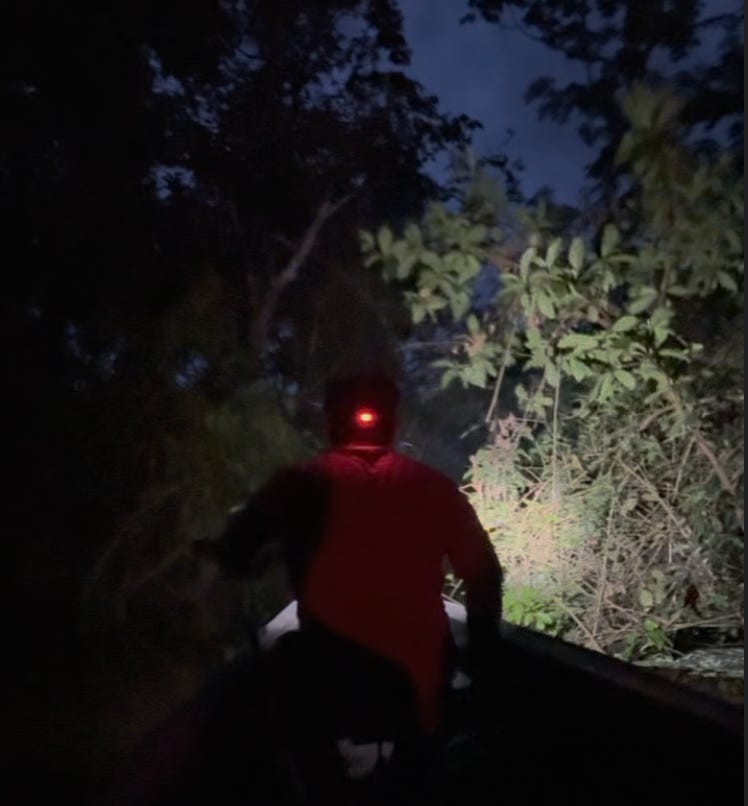
I expected I might set foot inside the Amazonian region. But I didn’t know that the rickety motorboat weaving through that hissing, chittering, notorious rainforest would be helmed by a man named Lucio who was blind in one eye, yet somehow retained enough vision in the other one to spot wildlife with telescopic precision. He was stout, standing at little more than 5 feet, yet braved the jungle with a kind of poise and nonchalance that faltered only once, in the presence of the Amazon’s most poisonous snake. He guided our ramshackle vessel through waters deep enough to house multiple species of piranhas and dolphins, and through trees tall enough to effortlessly conceal pumas, jaguars, and anacondas.

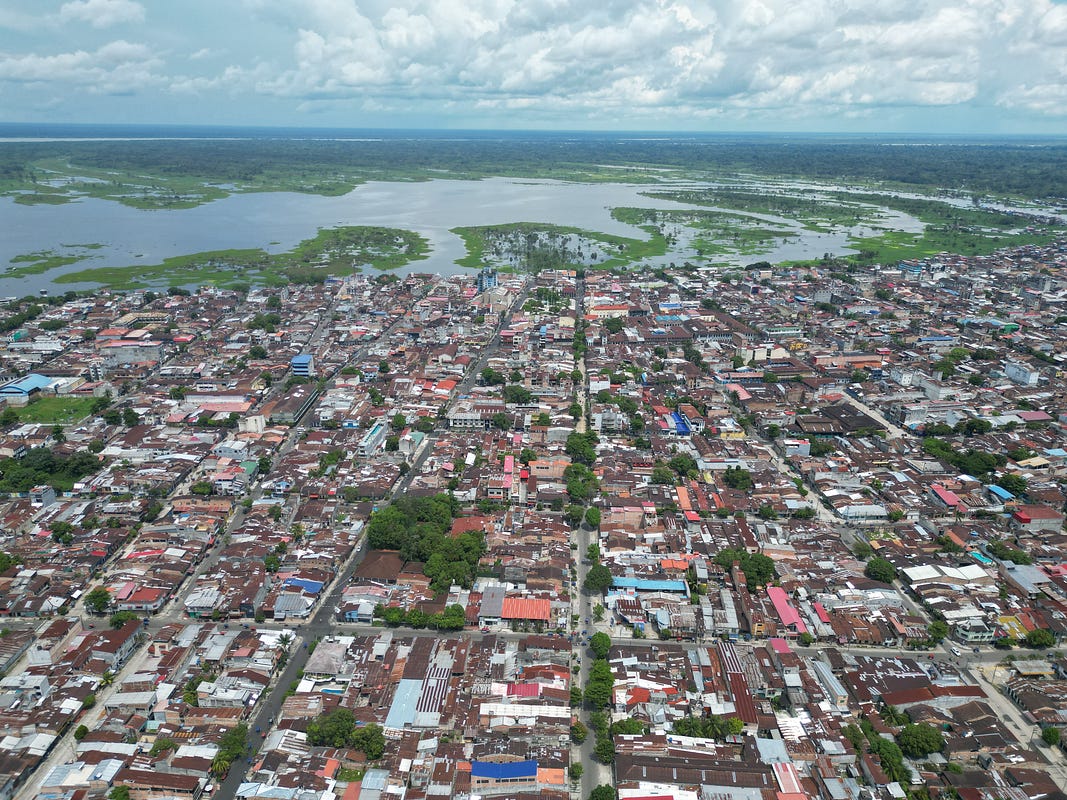
I couldn’t anticipate that I’d share lunch with a sexagenarian named Maurizio as we looked out over the snaking rivers that bordered Iquitos. That we’d make our way in and out of town seated on the back of moto-taxis whose drivers would willingly disobey whatever traffic laws landed their endless succession of customers at their chosen destinations. That the stoic motorists would fearlessly brave whatever clouds of exhaust fumes their thousand, equally freewheeling competitors had left suspended above the congested, Amazonian streets.
I didn’t know that I’d find myself in a pitch black room with a family of curanderos that chanted Ikaros as a silent storm of lightning spidered erratically through the darkened sky around us — nor that, throughout the ostensibly illicit ceremony, the chanting ayahuasca overseers would be accompanied by a fellow psychedelic subject who screamed so sexually and so ceaselessly that her vocal tenacity put the shamans to shame.
I didn’t know that I’d hike through the Andes mountains with a few men from the UK I’d never met, traversing rapidly between a dizzying array of microclimates. I didn’t expect the oxygen-starved air and alpaca-populated peaks to be abruptly replaced by a land where sweatshirt-piercing mosquitos and stifling humidity reigned supreme.
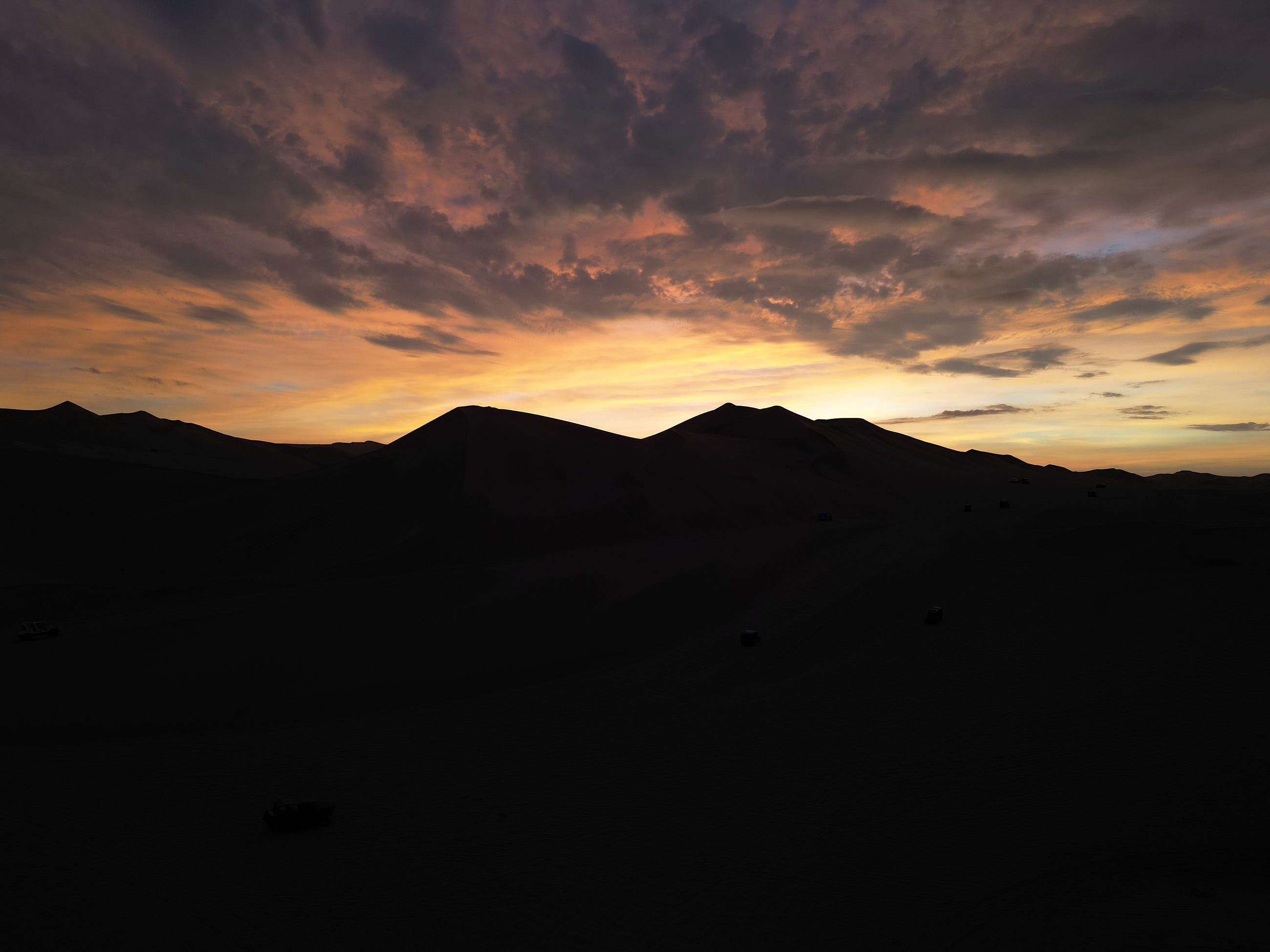
I didn’t know I’d lose my drone in the rolling dunes of Huacachina, nor that a local buggy driver would confer with a few friends on the phone, and transport me over those precipitous sand mountains into Ica, where a local kid would come sauntering proudly out of his home with my flying camera in hand. Nor did I know that the damage it sustained would be far easier to correct in the hands of a local Peruvian repairman than if I’d been back in my home country. The ordeal was both a lesson in the kindness of strangers and the inefficiencies to which I’d grown so painfully accustomed back in the star-spangled States.
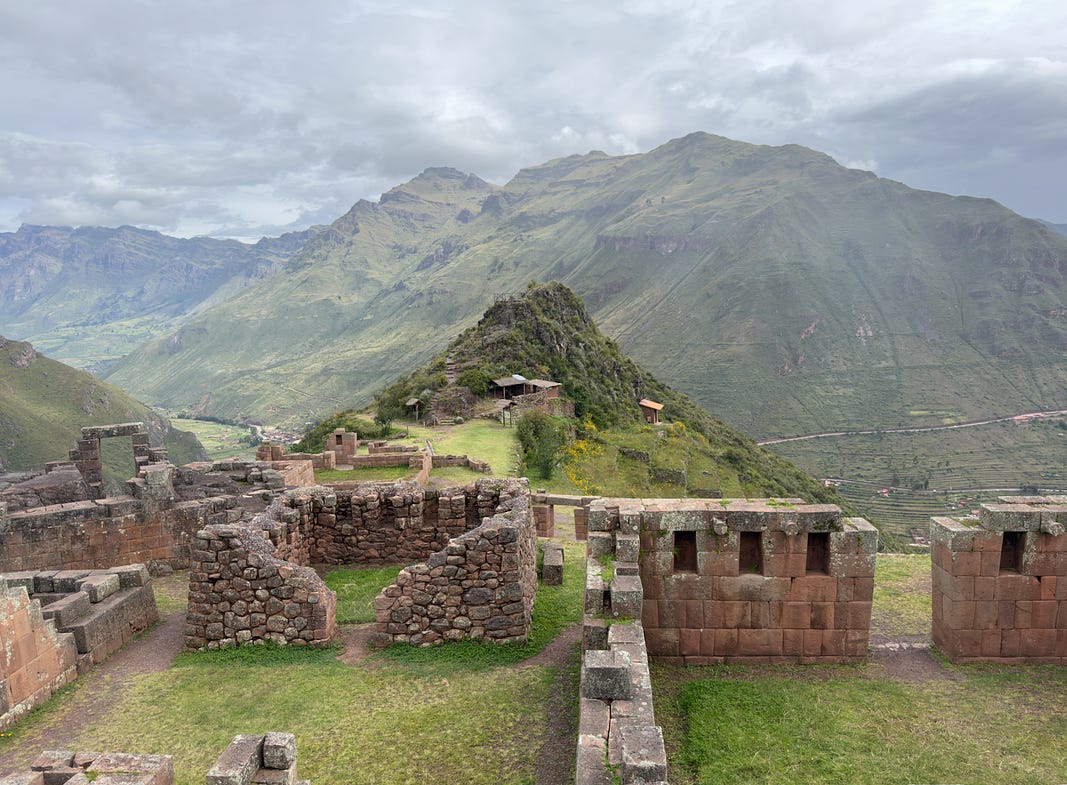
I didn’t know I’d sit around a bonfire with a group of new friends from around the world, nor that a guitarist would help herself to a seat on a neighboring log and play what was the most beautiful rendition of “Let it Be” that I’d ever heard. Nor had I predicted that the following day I’d climb up to the ruins of Pisac with most of those same people, each of us finding time to revel in the ancient monument’s confounding isolation.
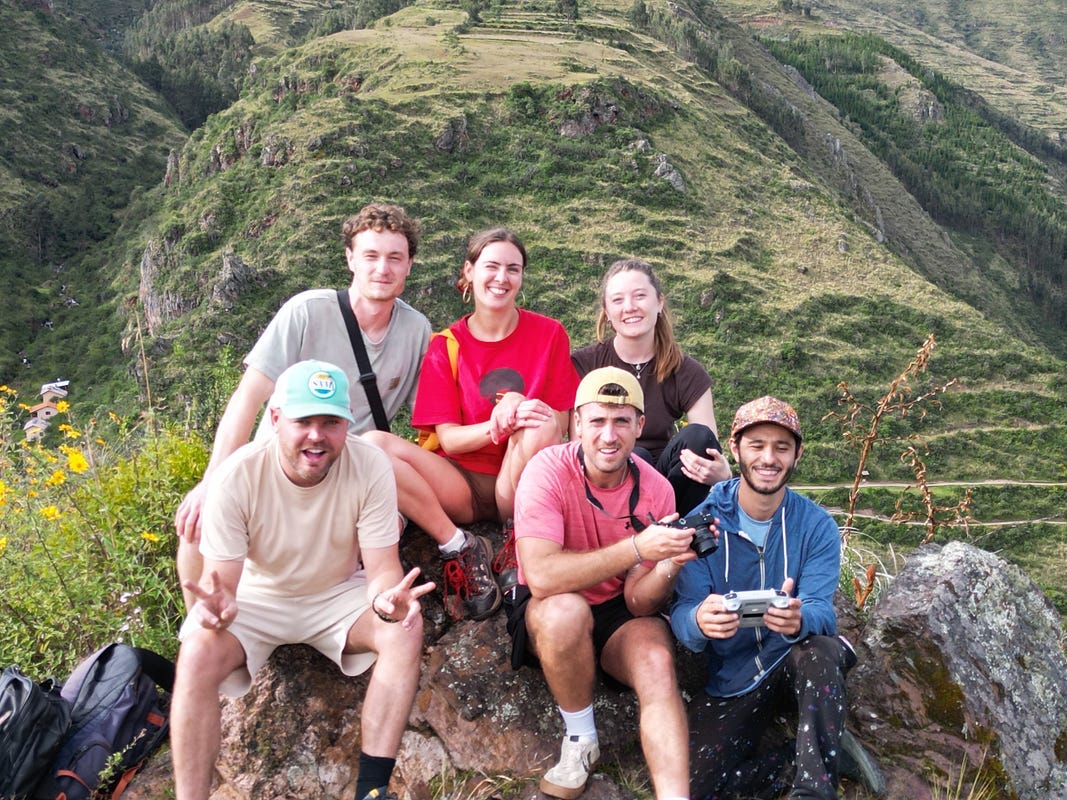
The stark lack of other explorers there to breathe in those same vistas enhanced our own experience at the same time that it made me reflect on the arbitrariness of what we deem “World Wonders.” At roughly 1,000 meters higher than Machu Picchu and with none of the tree-cover shrouding the trek toward its timeless peak, the Pisac archeological site provided some of the most awe-inspiring views from all of my time traveling.
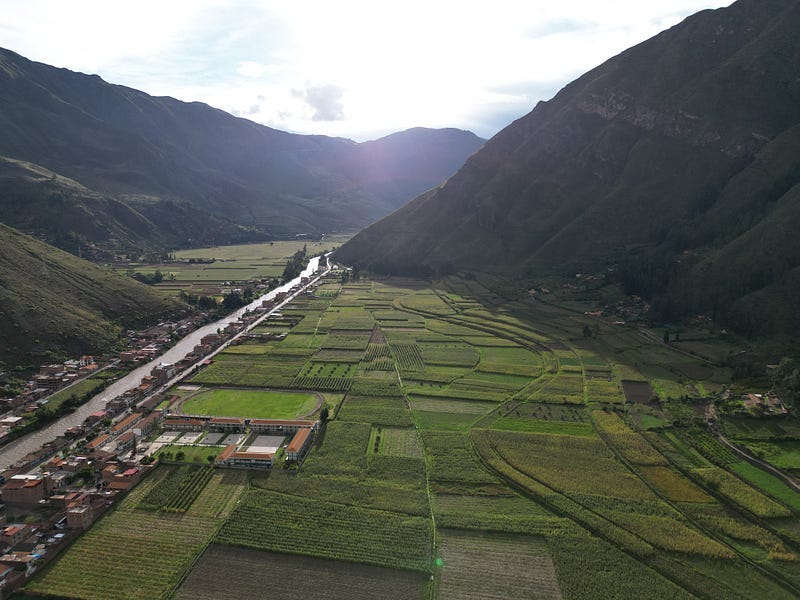
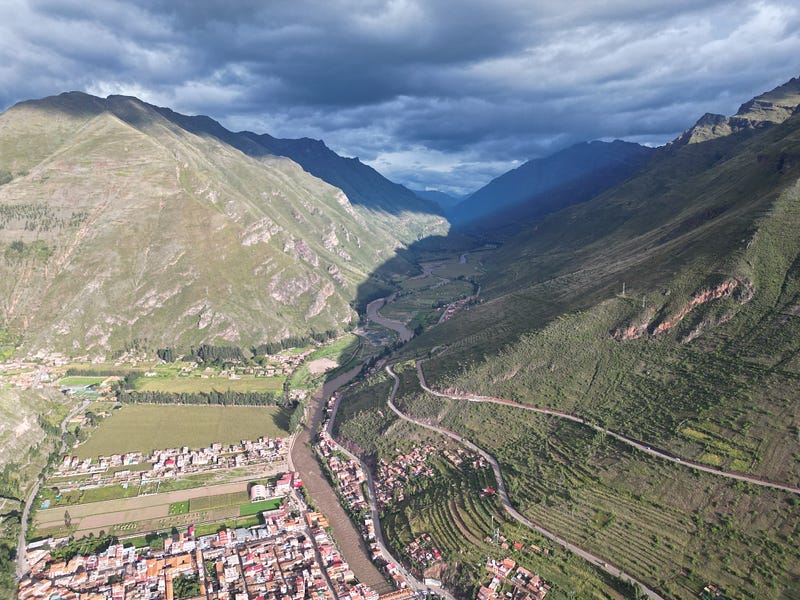
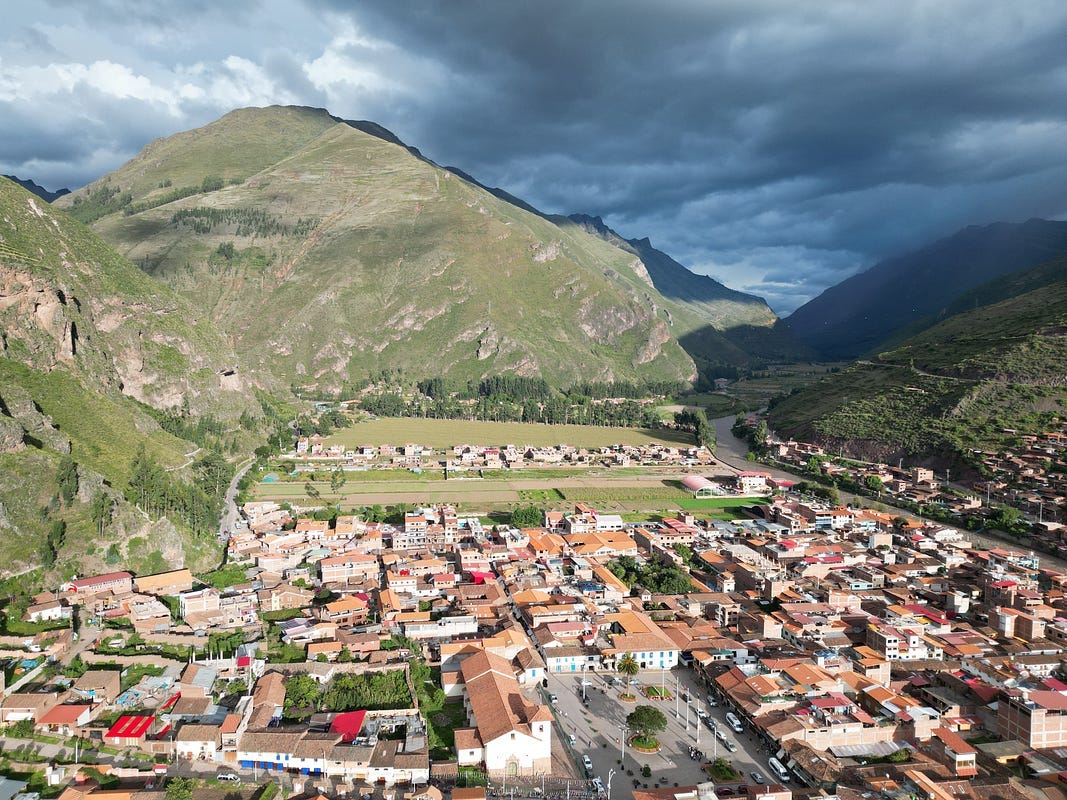
I didn’t know that the day of my 30th birthday would involve me participating in a Temazcal ceremony, cramming myself into a hut comprised of sticks and blankets as searing stones from the blazing fire beside it were placed into a pit at the sweat lodge’s center. I didn’t know that the evening would end with me dragging all of my belongings out of a valley that was infinitely steeper and more demanding on the way up than it had been in daylight — and on the way down.
I didn’t know that I would struggle with altitude sickness for the first time that night as I clambered free from that 45-degree-angled crater and toward my temporary new dwelling. As my heart beat out of my chest, my extremities began to numb, and I labored to draw enough oxygen from the dry mountain air, I wondered for a few minutes whether I might suffer a medical emergency before my 30s were even underway.
I didn’t know that, as my symptoms intensified, a truck would pull over at the sight of one of my new companion’s outstretched thumbs, or that eight of us would proceed to file into the back of the savior-in-plain-clothing’s pickup. And it would have been impossible to anticipate that we’d be tasked with tightly gripping the driver’s poorly packaged new window pane as he made his way forward and backward up the switchbacks that crisscrossed the Sacred Valley. He dropped us off conveniently at the door of our hostel, my breathing still heavy and my heart still beating a few dozen too many times per minute.
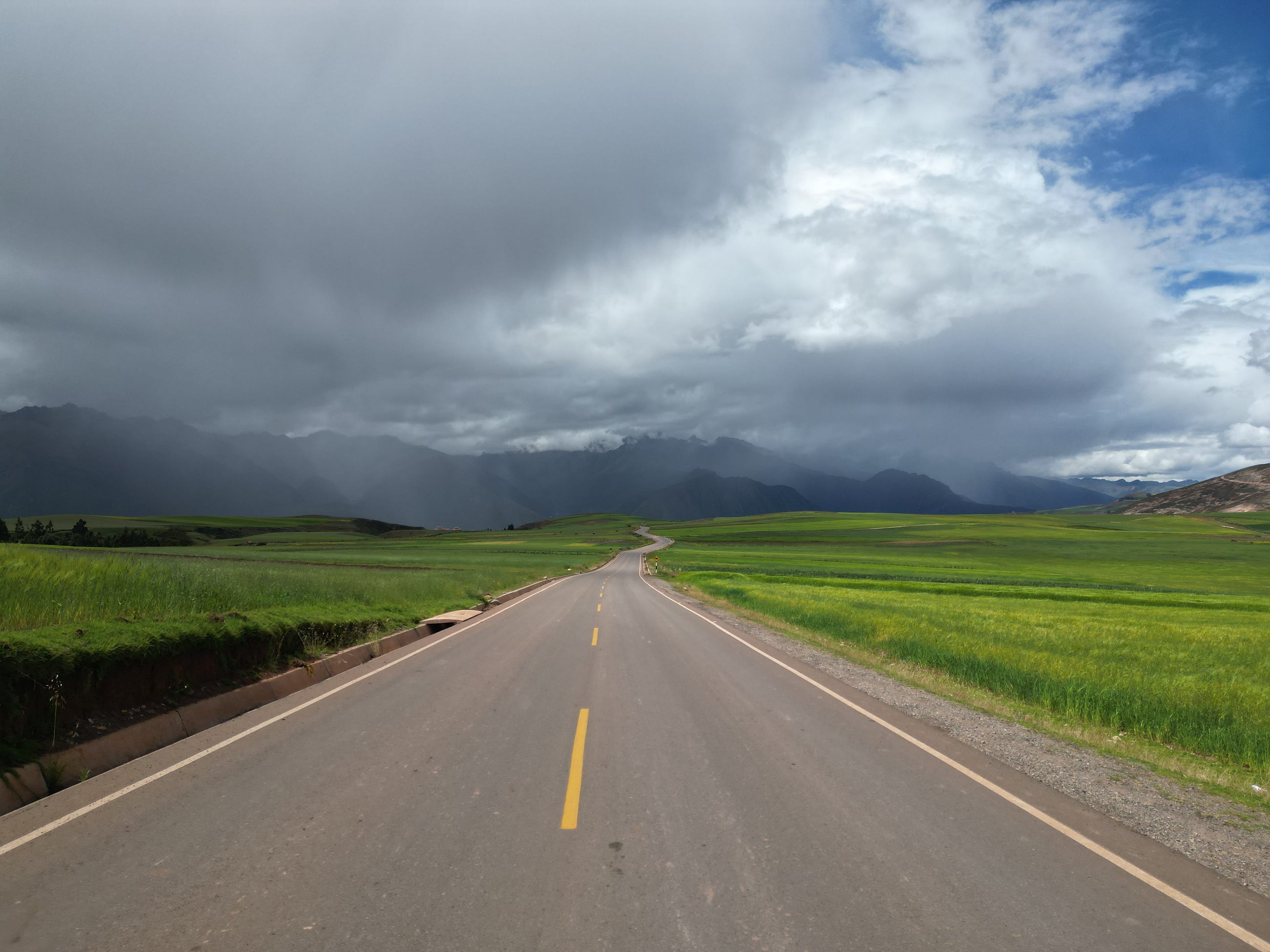
As my new friends doled out pats and praises to a congregation of kitties co-inhabiting our commune, I slunk away to my assigned bedroom and slept off my sickness. I emerged from my room to the rejuvenating sight of towering ridges and sweeping highlands as far as my bleary eyes could see.
Turning 25 was the first time that it felt surreal growing older. I’d held in my head a million different visions of where I’d be by the time I reached that weighty halfway marker in my 20s. But by the time I concluded that 25th revolution around the sun, I hadn’t achieved half of the things I’d wanted to by then.
I didn’t harbor the hallmarks of a 25-year-old. I wasn’t established in my career. I hadn’t magically found stability. And the notion of beginning the adventures that were supposed to define my youth felt less attainable for me than they had when I was fresh out of high school, still naively convinced that each of the things I wanted from this life would come naturally. I thought I’d find the hours to devote to each and every hobby I held dear — that I’d become a professional musician, carry on my father’s band in his name, and still have time to spare to be a writer and world traveler.
But now at 30, I’ve finally reached a juncture where I could hardly care less about achieving the dreams I once clung to so tightly. I’m still not the person I thought I might be by this point in life. But I love who I am.
I’ve grown to accept that, with each peak we reach, a hundred more inevitably come into view. Achieving goals rarely gives us a lasting sense of accomplishment. More often, it leaves us craving for more. We refix our focus on the vistas we may never reach, and repeatedly humble ourselves in the face of our radical insatiability.
We’re happiest when we accept that the horizon is unreachable, and when we scramble toward those faraway places all the same — learning to savor our stumbles and delight in the absurdity of being tiny creatures coded to look infinitely onward.
You will hear this from everyone, but 30, while I agree might be a landmark to take stock, is actually nothing. I’m 74.
You are living enviable adventures.
I’m not being dismissive of your reflection, I remember clearly getting a station wagon for my 35th birthday. I had kids I wanted desperately. Family problems that involved travel. It was a needed practical purchase, but I fully realized I was a mother&wife of a certain age.
I remember having a conversation in my 40s about wishing I could see Machu Picchu, Angkor Wat, I was told: go ahead, do it.
I wish I had.
In my opinion, for what it’s worth, you have made interesting choices. You have several more good years.
Keep the pics&narrative coming.
Such a poignant, well-written piece, Ben. Now 71 (which still boggles my mind!) part of me envies you for your youth, but another part of me is glad I'm now in the twilight of my life, given the state of things in America and the world today. Like you, I traveled quite a bit in my 20s, including spending a summer in Oregon and a trip to Germany and The Netherlands. I say travel all you can while you're young, before life's responsibilities become limiting factors.