
We Don’t Know How to Process Travel Anymore
Life in another part of the world is often too much for the mind to make sense of

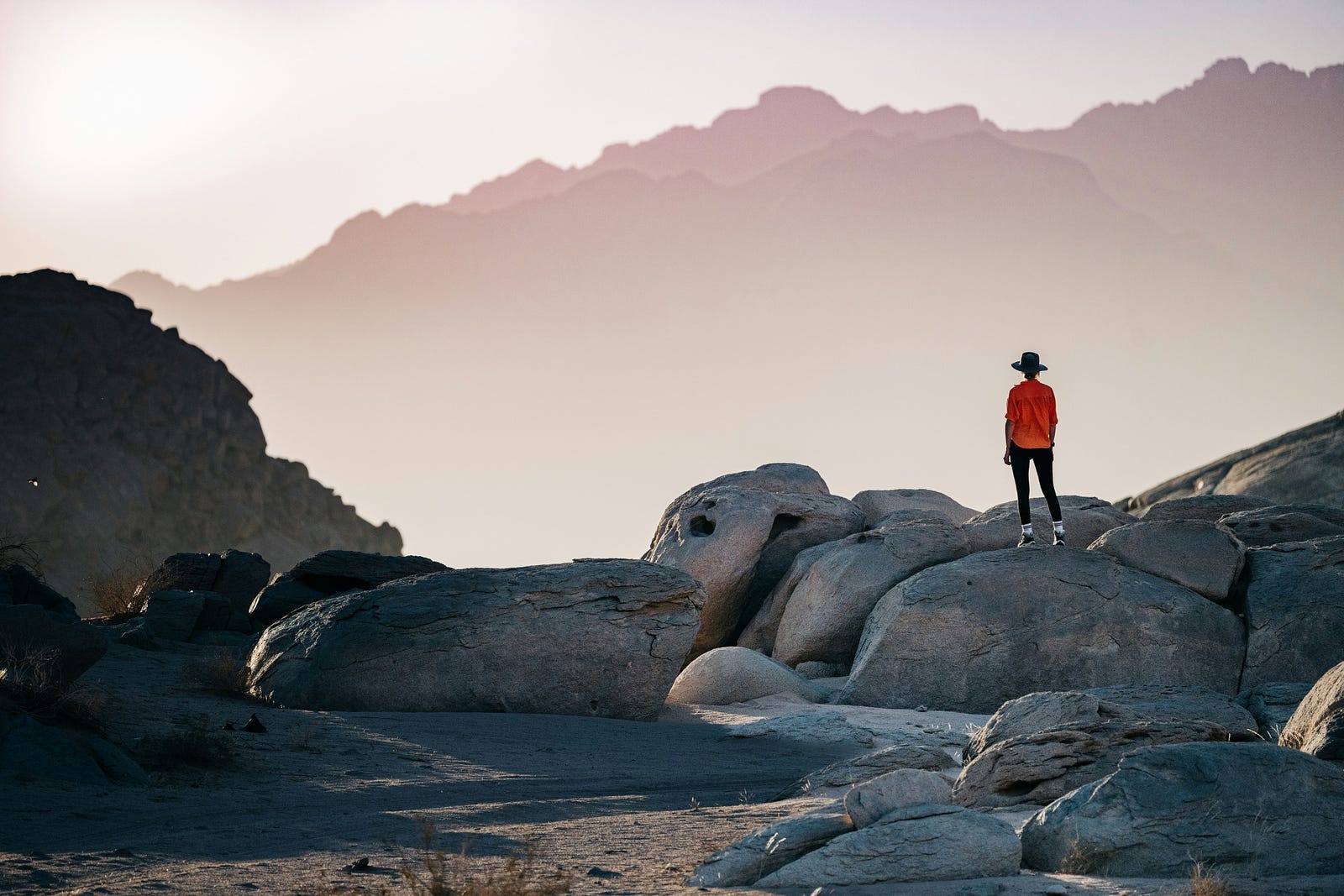
One of the most enticing aspects of travel for me is seeing parts of the world that, throughout most of human history, were impossible to even reach. The invention of flight made our world so accessible that anyone capable of boarding an airplane could suddenly experience a new culture. It democratized travel.
But as with astronauts returning to our atmosphere, disorientation tends to follow landing. There’s a social adjustment that’s needed after such seismic lunges between nations and customs, and that reality often gets drowned out by the menial conversation around jet lag, airport security, and other plane-related hoops and logistics.
Clearing continents in engine-powered long jumps has become so common that we rarely stop to consider the obvious cultural vertigo that can and should stem from going to sleep in New York City and waking up in Sydney or New Delhi. The expectation that such gigantic transitions should be taken in stride reduces their psychological weight.
With each new trip abroad, there’s been a period of reintegration that’s followed as I’ve returned home again and tried to resume my daily life. On one hand, it’s not hard to resurrect the routines that gave my world structure before I left the country. It’s as natural as riding a bike or clacking out words on a keyboard. The gravitational force we call “habit” kicks into gear, and I restart all my activities anew, tend to all of my preexisting obligations, and visit all of the same stores and cafes and friends. It’s reassuring to know I haven’t forgotten how to write, play music, or hold a conversation at the gym. How to navigate all the creaks, cracks, and peculiarities that define home for me.
But on the other hand, it’s disconcerting just how easy it is to return to my secure family in my secure town, where life follows a predictable rhythm, and every stranger or store clerk I encounter I can be reasonably sure speaks my language. It’s odd to trade the world of friction, adversity, and novelty that I knew while traveling for one where consistency and inertia reign supreme.
There’s comfort in the sameness. But comfort breeds complacency and I feel the suffocating force taking hold already.
I feel as though I’ve phased between disparate worlds with the flick of a credit card. It’s incredible to board a plane and disembark on the other side of the planet, but there’s something about these sudden, night and day transitions that feels deeply out of step with the natural order. It short-circuits our ability to process the leaps between poles.
Much as our bodies and minds might try to make normal of the bizarre, it’s not often enough that I hear people talk about the destabilization that comes paired with the modern marvel of flight. Through brute technological force, we now vault between time zones, geographies, languages, and all of the cultural variations that have emerged from them. Most passengers are so blithely disinterested in the world whizzing by beneath them that they’d sooner waste entire flights with their heads in tablets than bide a few minutes sitting with the way that flatlands turn to seas, mountains, and oceans. As with flipping through a story just to read its final pages, our touchdown feels unearned when we’re detached from the path toward our destination. The sense of gratification that should come with a completed novel is stripped or diluted if we take shortcuts.
Modern travel can collapse the stories of our lives in the same way, sapping the gradual buildup that instills our entry into alien lands with impact, that breathes poignancy into our eventual return home. We reach the terminus, but with enough assistance that it frequently deprives us of the adventure so many begin traveling in order to find. The need for risk is reduced to a bare minimum. We step off our planes with suitcases in hand and backpacks on our shoulders. But the closing credits that greet us upon landing can feel hollow. The climactic score to herald our homecoming strikes a discordant tone.
We arrive intact, but not reassembled. And that’s one of the strangest components to grapple with. To walk on one side of the equator yesterday and another side today feels like it shouldn’t be possible. It stands to reason that such a shift would fundamentally alter the fabric of our being — soften or callous us to the point of non-recognition. Fracture, erode, and reshape us in a way that a face-off against oceans, mountains, and deserts surely must. Let the raw forces of our spinning planet wear us down and rebuild us as something more awake, alive, and receptive.
The body makes the trip more easily than the mind. It takes time to reconcile where we’ve been with where we are again. There’s no gradient to the shift, no gentle acclimation, and no easing between worlds. Travel often comes in the form of a sudden and complete substitution of one reality for another.
As remarkable as it is to have our most gaping cultural chasms bridged by airplanes, there’s perhaps merit to peoples’ gut-deep distaste for the tourism phenomenon. It’s a Pandora’s box we’ve opened. The ability to set foot on the other side of the world so effortlessly is an aberration. When many travel abroad, it’s with the hope that the world will bend over backwards and cater to them. There’s little use denying that our newfound affection for travel has had far-reaching consequences, from the cost of emissions on the climate to the social and economic problems plaguing tourist hot spots.
Yet, even still, experiencing life in other countries and continents is an opportunity too enormous and too transformative for words. The privilege of seeing the corners of the globe that would otherwise be walled off from us isn’t something to take lightly. There’s an unshakeable wisdom that can be found in seeing all of the norms we’ve spent our lives accepting without question turned suddenly on their heads.
The uncomfortable acclimations are all a labor of love. It would be wrong for the bounds between continents to feel much breezier. I’m in awe of airplanes even if after I land I sometimes struggle to gather my bearings.
Back home, there’s no constant cycling of world travelers. There are no llamas or alpacas accompanying locals on their daily commutes. There are no overflowing “colectivos” to cart citizens up and down the sheer cliffs that encircle our town. And if we had such a transport system in the suburbs of Pennsylvania, let alone mountain passes forbidding enough to necessitate carpools, they probably wouldn’t be occupied by grizzled farmers trying their best to keep the scents and sounds of their overripe fruits and over-exuberant roosters at bay; women carrying entire craft stands condensed into bulbous bundles, slung across their backs like humps on camels; or an assortment of somnolent children soundly sleeping through every hairpin turn, rogue cow, and wheel-devouring crater that littered our path. The babies aboard managed to stifle their wails. The toddlers were seemingly lulled into comas by the mundanity of this routine occurrence. For me, the culture shock was extraordinary. The viscerally chaotic van rides brought to life a part of the world that no documentary could fully impart or reproduce.
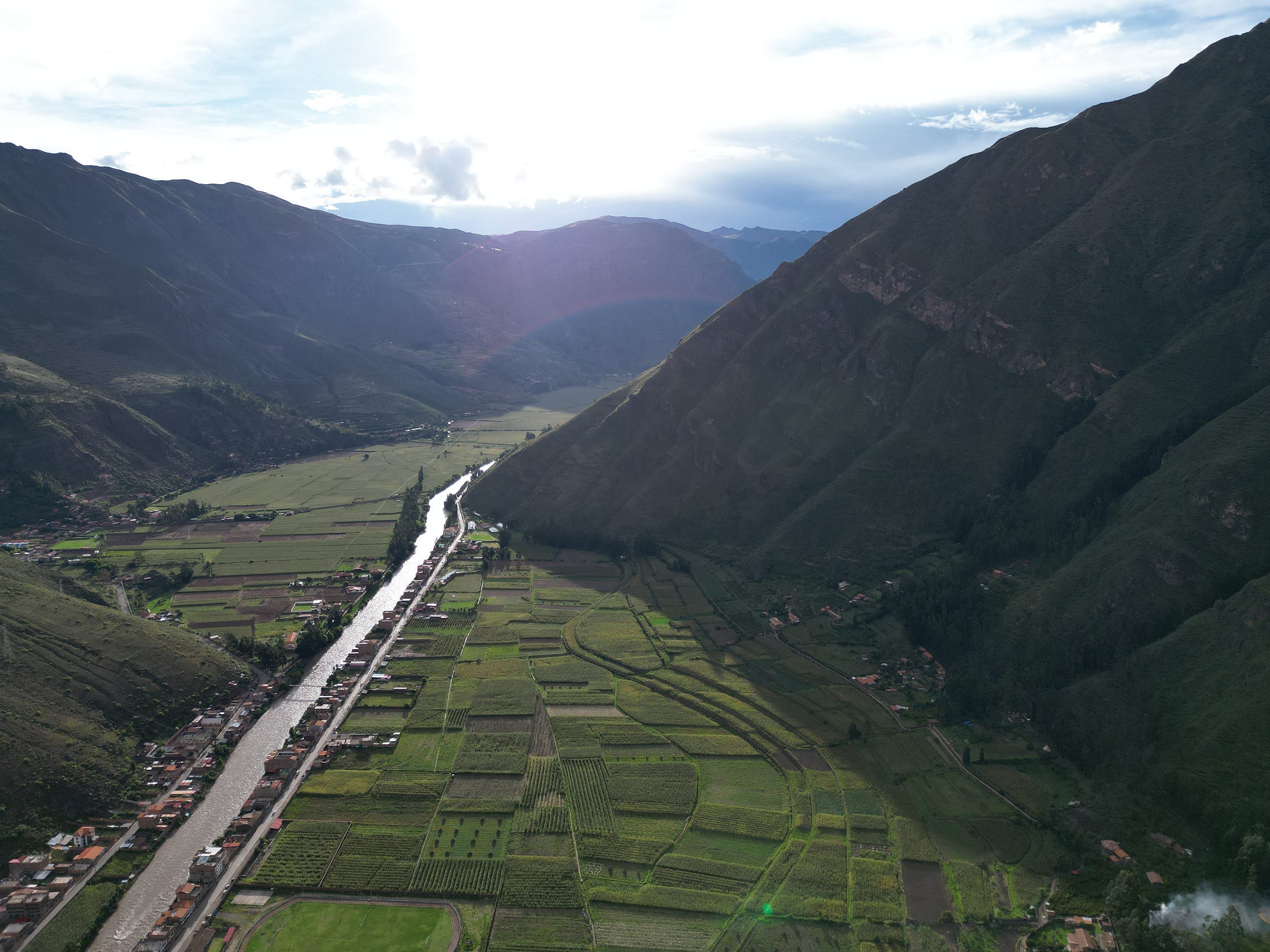
Back home, there are no precipitous mountains poking their heads free from the suburban sprawl surrounding me, no three-wheeled tuk-tuks or moto-taxis zipping their way up and down them, and no cloud-piercing vistas to dwarf our nearby skyscrapers. But as Spring takes shape, echoes of South America reverberate through the residential calm. Bird songs seep into my bedroom window in early mornings and remind me of their Amazonian cousins. The sun filtering through trees in late afternoons whisks me back to my walks through the Andes. The leaf-stained ruins of my local forest are my own private Machu Picchu.
And every time a plane zooms overhead, I’m reminded of the perplexing future we’re all a part of. I’m reminded that, no matter how unnatural it may seem — no matter how long we believed that joining the birds was impossible — flight is a part of our story now. And to have our lives framed by that bewildering fact is as dizzying as it is enlivening.
The only way that writers on this platform are compensated for the time and effort they put into their work are through your generosity. If you enjoyed this memoir, it would mean a lot if you considered offering your support. These travel-related articles are among my favorite to write, and I’d love to publish more of them.
I can’t seem to reply to your question. It is asking for my info. Rome, Maastricht Shetland Islands
I have had the pleasure of living abroad for extended periods and your essay captures that in between time so well. I am never sure where my footing is when I return but something internal has surely shifted. Thanks for sharing your wander wonder ings. I so enjoy them.